Mexico Tourism Investment in 2026: A US$47.53 Billion Pipeline and a Changing Map
Information reviewed October 13, 2026
Mexico’s latest tourism investment figures tell a bigger story than the headline number. The country’s tourism development portfolio now includes 925 projects representing more than US$47.53 billion in programmed investment, up 20% in project count and 12% in reported value from the first four months of 2026. Nayarit now leads the country by investment value, while Quintana Roo remains second.[1]
For someone considering a home in the Mexican Caribbean, Riviera Nayarit or Los Cabos, those rankings are interesting, but they are not the most useful part of the report. What matters more is what is happening around the destinations themselves: new infrastructure, airport capacity, hotel openings, road improvements, and the broader investment supporting continued tourism growth.
Those changes can affect how easy a destination is to reach and live in, but they shouldn’t be confused with residential property performance. The national investment figures are best used as one part of a much larger picture.
What the US$47.53 billion figure actually tells us
The Secretaría de Turismo, or Sectur, describes the US$47.53 billion as programmed tourism investment. The portfolio draws on information supplied by Mexico’s state governments and includes projects at different stages of development. Sectur has also been standardizing its criteria and removing projects that are no longer considered current.[1]
That distinction is important. The figure does not mean US$47.53 billion was spent in 2026, nor does it represent residential purchases or predict property values. Instead, it gives us a useful view of where the country is planning and reporting tourism-related development.
For property buyers, the value is in combining that broader view with what is actually happening in a specific destination. A new highway that is already open is very different from an infrastructure project still under construction. The same applies to an operating hotel compared with one scheduled to open in the future.
Where Mexico’s tourism investment is moving
The shift between Sectur’s first and second 2026 reports is particularly interesting. Nayarit surpassed Quintana Roo in reported investment value, while Nuevo León recorded a substantial increase. Baja California Sur remained comparatively stable.[1][2]
| State | First report | Second report | Current projects |
|---|---|---|---|
| Nayarit | US$8.192 billion | US$9.281 billion | 25 |
| Quintana Roo | US$8.301 billion | US$7.100 billion | 67 |
| Nuevo León | US$2.871 billion | US$4.900 billion | 67 |
| Baja California Sur | US$3.894 billion | US$3.861 billion | 15 |
Nayarit now represents approximately 20% of the national portfolio, followed by Quintana Roo at 15%, Nuevo León at 10% and Baja California Sur at 8%. Meanwhile, Guerrero has the country’s largest number of projects, at 108. That difference reminds us that project count and investment value tell two very different stories.[1]
Why Nayarit is getting more attention
Nayarit’s reported tourism investment increased from US$8.192 billion to US$9.281 billion between the first and second Sectur reports, even though its project count rose by only one. Sectur does not identify which individual projects produced that increase, so the more useful context comes from looking at what else is changing across the region.[1][2]
Regional access has improved significantly in recent years. In April 2025, the federal government reported that the completed Jala-Puerto Vallarta highway cut the journey between Guadalajara and Bahía de Banderas by about two and a half hours. The route also includes a five-kilometer branch that connects to Puerto Vallarta International Airport.[3]
The airport itself is also expanding. Bahía de Banderas’ municipal tourism authority reported that Puerto Vallarta International Airport handled a record 6.9 million passengers in 2025 and projected service to 54 destinations during 2026. Its 2025-2029 development program includes runway rehabilitation, additional taxiways, expanded aircraft apron capacity, and other operational improvements, along with plans for a new terminal building.[4]
For anyone considering property in Riviera Nayarit, these are the developments worth watching. They say more about the destination’s practical evolution than its top spot in a national investment ranking.
Quintana Roo remains one of Mexico’s largest tourism investment markets
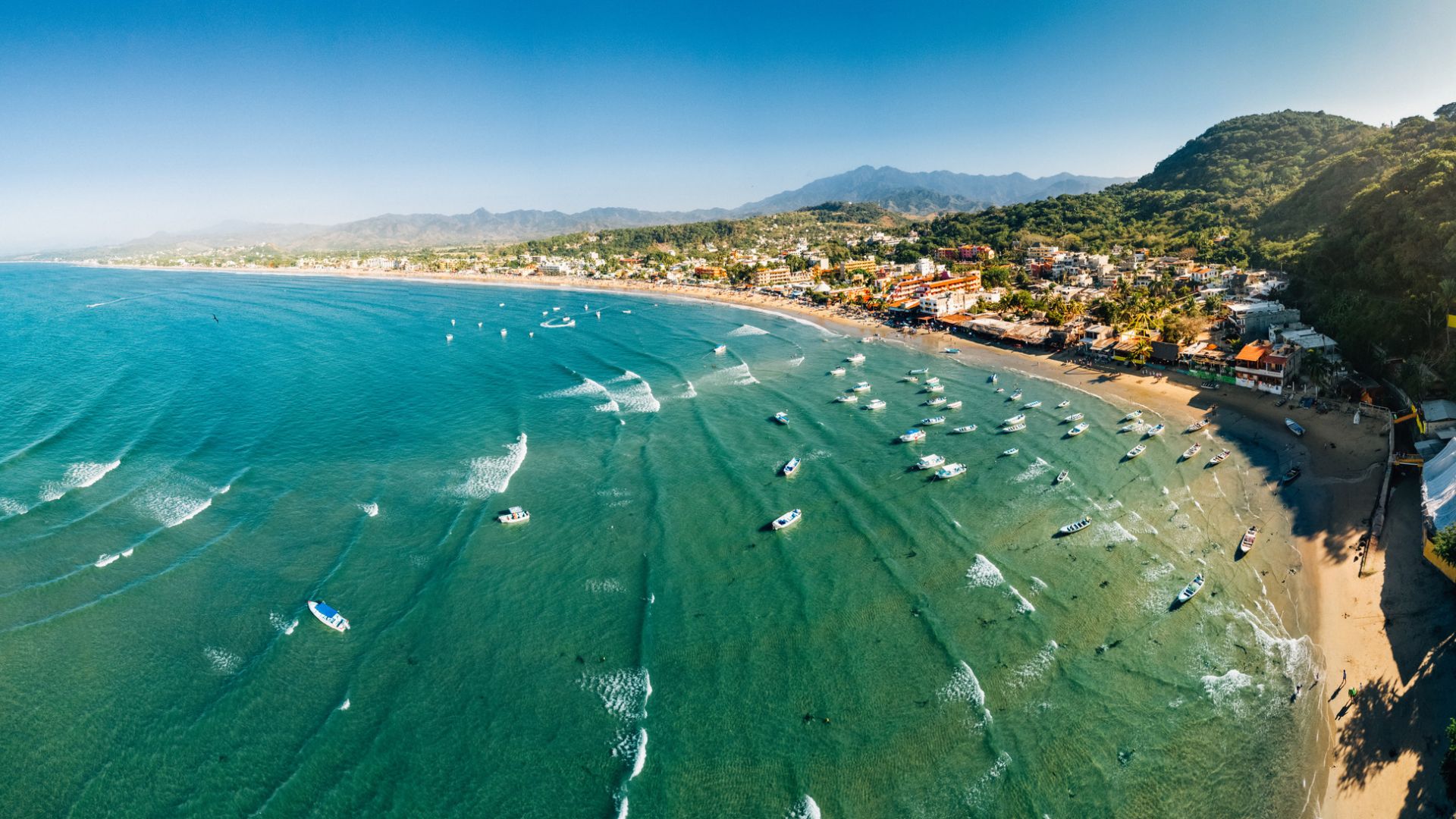
Quintana Roo presents a different picture. Its reported portfolio moved from 58 projects valued at approximately US$8.30 billion in the first report to 67 projects valued at approximately US$7.10 billion in the second.[1][2]
It’s easy to look at the lower dollar figure and assume investment has retreated from the Mexican Caribbean. The data does not support that conclusion. Sectur does not provide a project-by-project explanation for the change, and its methodology includes ongoing updates and the removal of projects no longer considered current. The numbers therefore show a change in the reported portfolio, not a direct measure of the residential property market.
At the destination level, development continues substantially. Hyatt said in late September that Park Hyatt Riviera Maya was expected to open by the end of 2026, while Grand Hyatt Cancun was scheduled for the fourth quarter.[5]
Infrastructure is evolving as well. In July, the Government of Quintana Roo reported that Cancún’s Distribuidor Vial Kukulcán was approaching 30% completion. The project is intended to improve connections involving Cancún International Airport, the Nichupté bridge and the Hotel Zone.[6]
For buyers looking at Cancún, Playa del Carmen, or Tulum, national investment data becomes more useful here. The key question isn’t simply how much money is allocated to Quintana Roo. It is which improvements are taking place near the location you are considering, when they are expected to be completed, and how they could affect everyday use of the property.
Baja California Sur shows a steadier investment picture
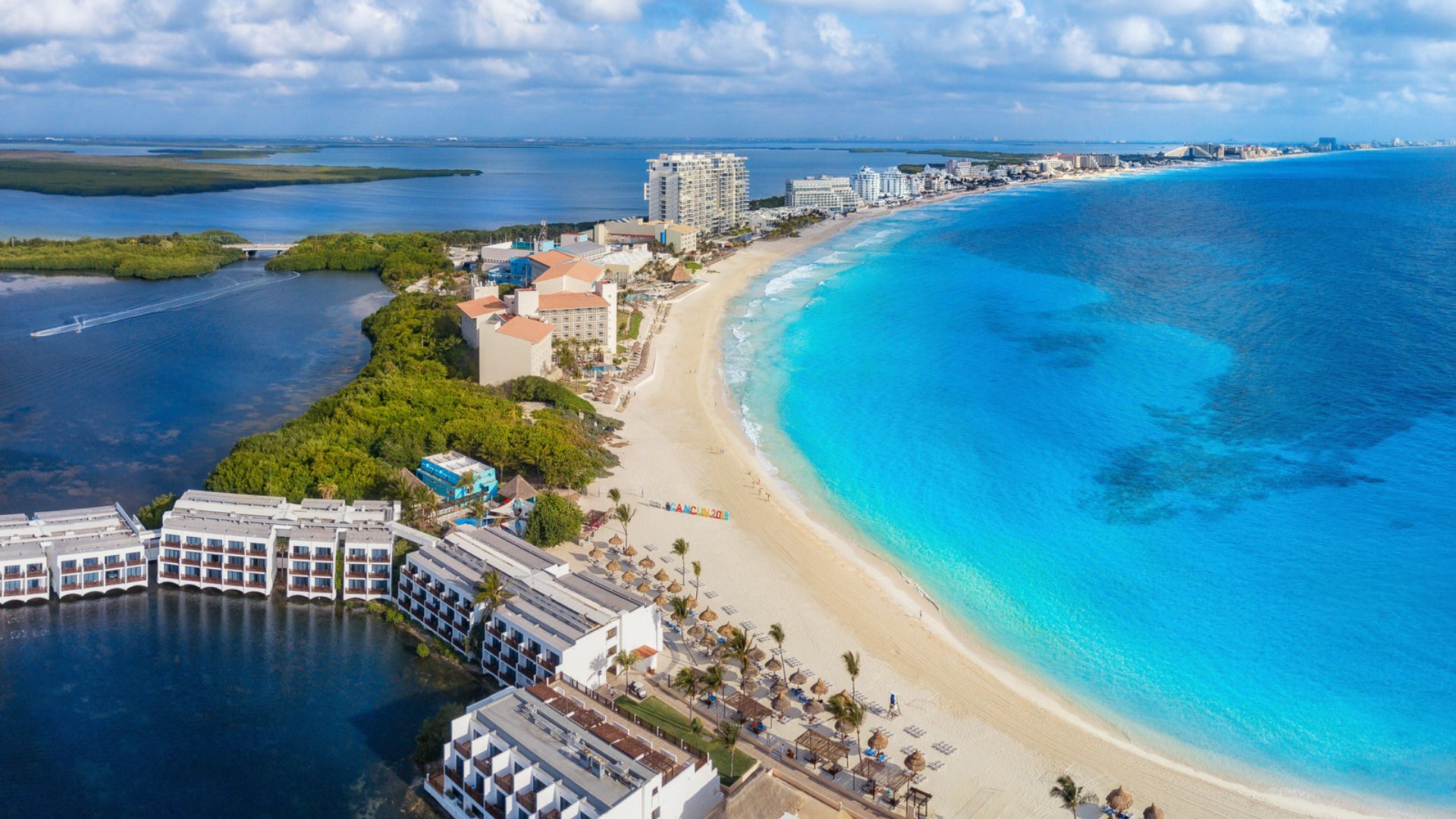
Baja California Sur accounts for approximately 8% of Mexico’s current programmed tourism investment. Its reported value changed only slightly between the two 2026 reports, from approximately US$3.89 billion to US$3.86 billion, while the number of projects increased from 13 to 15.[1][2]
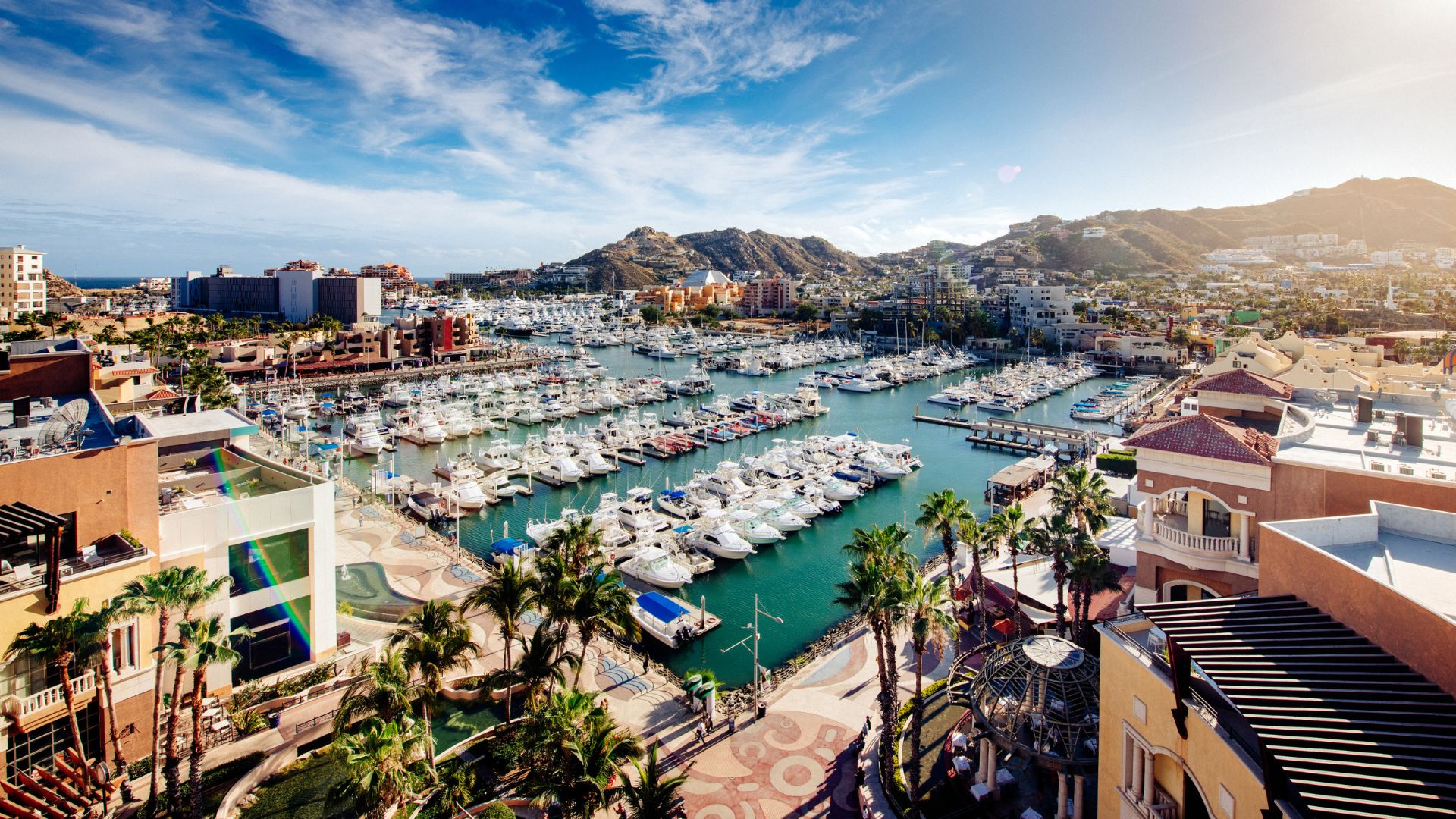
Los Cabos continues to attract new hospitality development within that broader state picture. Park Hyatt Cabo del Sol opened in December 2025, and Hyatt said in September 2026 that Grand Hyatt Los Cabos was expected to open in the fourth quarter.[5][7]
As with the Mexican Caribbean, buyers should separate what is already operating from what remains in development. In a destination such as Los Cabos, the specific location of a property relative to the airport, established services, beaches, commercial areas, and new construction is considerably more useful than a statewide investment total on its own.
Mexico’s tourism investment extends well beyond beach destinations
Beach tourism remains the largest segment in Sectur’s portfolio, accounting for 27% of projects. But cultural tourism is close behind at 24%, followed by business tourism at 17% and ecotourism at 10%. Another 14% of projects do not specify a tourism segment.[1]
This mix provides useful context, as tourism development in Mexico is becoming increasingly diverse. Nuevo León’s position among the states with the highest investment value is a good example. The national tourism story is no longer defined only by coastal destinations, even though beach markets continue to account for the largest individual segment.
What should a property buyer take from these numbers?
Tourism investment can show where governments and private operators are committing resources, but treat it as context rather than a buying signal. Once you narrow your search to a destination, the analysis needs to become much more local.
- Access: Which airport will you actually use, what direct routes are available from your home city, and how long does the journey from the airport to the property take?
- Infrastructure: Which nearby road, airport, or public infrastructure projects are complete, which are under construction, and which remain proposals?
- Everyday services: How convenient are healthcare, groceries, restaurants, schools, and other services you expect to use regularly?
- Surrounding development: What is currently being built near the property, and could future construction change access, traffic, views or the character of the immediate area?
- The property itself: What can be verified about utilities, access, condition, administration, and the ongoing costs associated with ownership?
- Residential market evidence: What do genuinely comparable properties and recent transactions tell you? If rental use matters to your decision, evaluate rental demand, operating costs, and management separately from tourism investment statistics.
This is also why a state moving up or down a national investment ranking should not determine where someone buys. Nayarit’s move into first place does not mean every residential market there is outperforming Quintana Roo, just as Quintana Roo’s lower reported investment value does not mean demand for homes has fallen.
The investment data is most valuable when it prompts better questions about a destination.
What we are watching next
Through the remainder of 2026 and into 2027, the developments worth watching are those that move from announcement to reality: hotels that open, transportation improvements that enter service, airport capacity that comes online, and infrastructure projects that begin changing how people move through a destination.
Future Sectur updates will also be useful for seeing whether Nayarit’s lead continues, whether Quintana Roo’s reported investment value changes again, and how the growing portfolios in other parts of Mexico develop.
For buyers, though, the most useful question remains much more personal: what is changing around the property and location you are actually considering?
If you are comparing destinations or considering a home in Mexico, contact Christie’s Real Estate Mexico. Our team can help you look beyond the national headlines and understand the property, location, and local market factors relevant to your search.
Sources
- Secretaría de Turismo, Gobierno de México. “Cartera de Inversión Turística 2do cuatrimestre 2026,” September 28, 2026. View source.
- Secretaría de Turismo, Gobierno de México. “Cartera de Inversión Turística 1er cuatrimestre 2026,” May 6, 2026. View source.
- Secretaría de Infraestructura, Comunicaciones y Transportes, Gobierno de México. “Turismo y economía regional beneficiarios de la autopista Jala-Puerto Vallarta,” April 23, 2025. View source.
- Dirección de Turismo de Bahía de Banderas. “Aeropuerto de Puerto Vallarta fortalece la conectividad turística de Bahía de Banderas,” May 25, 2026. View source.
- Hyatt Hotels Corporation. “Hyatt’s Luxury Portfolio Builds Momentum Across the Americas,” September 29, 2026. View source.
- Government of Quintana Roo. “Supervisa Mara Lezama Distribuidor Vial Kukulcán, obra que registra casi 30% de avance,” July 12, 2026. View source.
- Hyatt Hotels Corporation. “Where Contemporary Luxury Meets Mexico’s Coastal Soul: Park Hyatt Cabo del Sol Opens its Doors,” December 15, 2025. View source.